
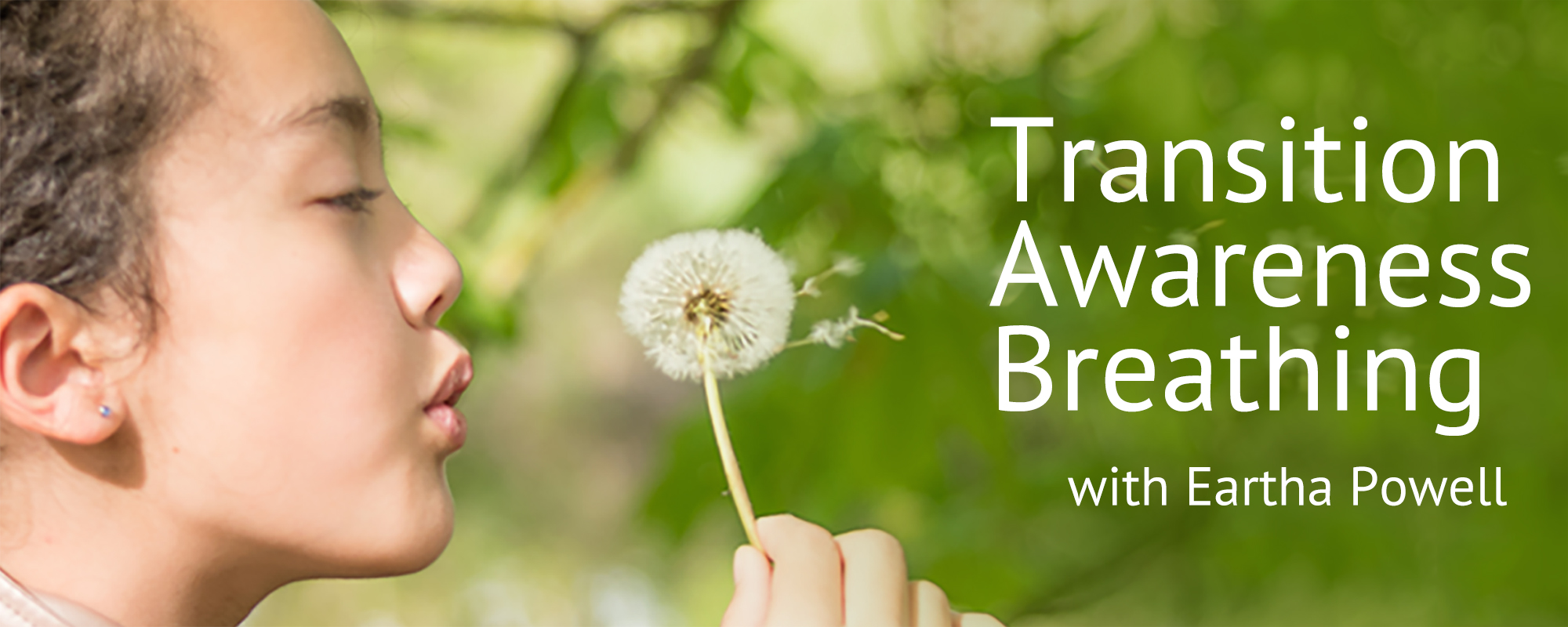

Transition Awareness Breathing with Eartha Powell
I live in Texas with my family. I Don’t Know: Adventures of a Forest Playground is my first children’s picture book. The desire to write has been with me since childhood. Upon completing my career in The United States Navy, I began thinking about writing inspirational children stories and songs. After being blessed with children, my desire to write moved into action.
At the age of five my daughter lit the spark to encourage me published my first book. She said, “Mommy you should write your stories down.” My son ignited the flame for me to learn about mindfulness, relaxation breathing, awareness and meditation for children and their families. I began teaching these tools to my son to help him manage and move through challenges of his ADHD. A mom at my son’s school encouraged me to teach these skills to other children. Hence Transition Awareness Breathing (TAB) was born. Transition Awareness Breathing gives children tools in their coping skills toolbox to manage change. I thank the Almighty for the creativity and the ability to synchronize my professional knowledge to help children and their family transition through change in a peaceful and positive manner.
My Master’s Degree is in Human Resources Development with a focus on Organizational Development. For over twenty years, I have maintained my NPD (Nursing Professional Development) certification by ANCC. In the course of my nursing career, I have taught numerous courses in Change Management, Leadership and Development, Prenatal Relaxation Breathing and Conflict Management. Currently teach TAB to children and their families, to help children of all ages obtain tools to help them achieve victories in the face of change.
Transition Awareness Breathing
Hosted by Eartha Powell
Transition Awareness Breathing (TAB) is specifically tailored for children and their parents, who could benefit from learning how to relax and work in a stressful or changing environment. TAB can be used in a variety of settings to positively enhance relaxation and learning. TAB is not a quick fix solution program. It is a program of action. Listeners will hear suggested meditation, relaxation breathing, awareness, or mindfulness exercises to practice. The more participants practice newly learned skills, the more skills will become a natural response to everyday ups and downs. Here’s a sneak peek at Eartha’s new book, coming soon! https://www.youtube.com/watch?v=FBtcZY7hwjI Disclaimer: Transition Awareness Breathing (TAB) is solely for educational purposes. It is not intended as a psychological intervention or substitute for psychological treatment. If participants require psychological help, families should seek the consultation of a licensed mental health professional.